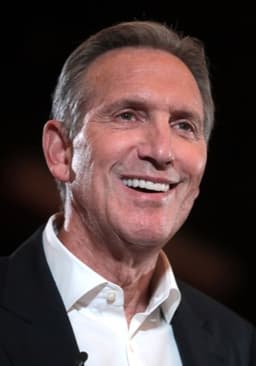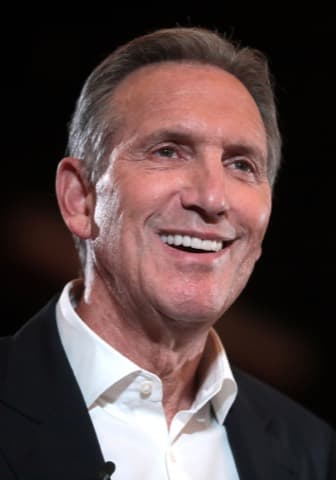
Howard Schultz
The Mission-Driven Connector, Starbucks
Howard Schultz (ENFJ) is categorized as a Connector in the Founder Mode framework, with notably high scores in People Orientation, Sales Ability, Execution Focus. Howard Schultz built Starbucks with a leadership style characterized by missionary leader who treats culture as the primary product.
Compare with living founders in the Founder Psychology Index, where every score is linked to a dated public source.
Portrait: Gage Skidmore, CC BY-SA 3.0, via Wikimedia Commons.
Howard Schultz (MBTI ENFJ, The People Multiplier) founded Starbucks. Howard Schultz's estimated Big Five personality profile is openness 78/100, conscientiousness 88/100, extraversion 88/100, agreeableness 72/100, and emotional stability 80/100. ENFJ stands for Extraverted, Intuitive, Feeling, Judging in the Myers-Briggs framework.
Schultz scaled Starbucks by treating coffee as a "third place" cultural artifact and treating employees as partners with equity and benefits. His ENFJ profile shows up everywhere: high extraversion, high agreeableness, missionary energy, and the rare combination of community-building instinct with operational rigor for a 30,000-store global business.
What Makes a Howard Schultz-Type Founder Different
Howard Schultz-type founders stand out in the startup world because of a distinct combination of personality traits that shapes how they build companies. They bring exceptional execution discipline and follow-through, high-energy presence that rallies teams and investors alike, emotional steadiness under extreme startup pressure. On top of that, they possess long-range vision that sees market shifts before they happen, relentless execution that turns plans into shipped products, persuasive storytelling that wins customers, recruits, and investors. This combination makes the Howard Schultz archetype a distinctive force in the founder landscape.
Should You Start a Company as a Howard Schultz-Type?
If you score as a Howard Schultz-type, you likely have real advantages in building a company. Your natural strengths, including building a movement-style culture around a commodity product and employee-benefit innovation (health insurance, equity for part-timers), give you a genuine edge in the early stages of a startup. You are well suited for high-uncertainty environments where most people would hesitate. That said, be honest about your blind spots. Howard Schultz-types often struggle with strong personal brand creates over-dependence on the founder and political and labor-union conflicts attract recurring controversy. Finding a co-founder or early hire who compensates for these gaps is not optional, it is essential. If you can pair your intensity with self-awareness about where you need support, the Howard Schultz archetype has everything it takes to build something meaningful.
Frequently Asked Questions
What MBTI type is Howard Schultz?
Howard Schultz maps to the ENFJ personality type, known as "The People Multiplier." Inspirational leader who scales through others. This MBTI classification reflects their approach to leadership, decision-making, and company building.
What are Howard Schultz's key strengths as an entrepreneur?
Howard Schultz's core superpowers include: Building a movement-style culture around a commodity product; Employee-benefit innovation (health insurance, equity for part-timers); Story-driven retail expansion that converts ordinary stores into community spaces; Comfort returning to operating roles when the company needed founder-level course-correction. These strengths combine to make the Howard Schultz archetype especially effective at building and scaling startups.
What kind of startup should a Howard Schultz-type founder build?
Howard Schultz-type founders tend to excel in: Premium retail with strong community story; Hospitality and experience brands; Mission-driven consumer brands; Community-anchored multi-location businesses. These startup categories align with the Howard Schultz archetype's natural strengths in building a movement-style culture around a commodity product.
Who are similar founders to Howard Schultz?
Founders with a similar personality profile to Howard Schultz include Marc Benioff (Salesforce), Brian Chesky (Airbnb), Oprah Winfrey (Harpo Productions), Tony Hsieh (Zappos). These leaders share key traits like connector thinking and comparable approaches to building companies.
MBTI Type
See all ENFJ founders →The People Multiplier
Inspirational leader who scales through others
Big Five Profile
Compare to all founders →Howard Schultz's Big Five personality scores: Openness 78/100, Conscientiousness 88/100, Extraversion 88/100, Agreeableness 72/100, Emotional Stability 80/100.
Want the same five scores for yourself? Here is how the free entrepreneur personality test measures them.
Entrepreneurial Traits
Howard Schultz's entrepreneurial trait scores: Risk Tolerance 75/100, Visionary Thinking 82/100, Execution Focus 90/100, People Orientation 95/100, Technical Depth 50/100, Sales Ability 92/100, Resilience 88/100, Creativity 80/100, Analytical Rigor 72/100, Work Intensity 90/100.
Superpowers
Building a movement-style culture around a commodity product
Employee-benefit innovation (health insurance, equity for part-timers)
Story-driven retail expansion that converts ordinary stores into community spaces
Comfort returning to operating roles when the company needed founder-level course-correction
Blind Spots
Strong personal brand creates over-dependence on the founder
Political and labor-union conflicts attract recurring controversy
Mission-driven framing can mask cost discipline pressures
Returning-CEO pattern delays clean succession planning
Leadership Style
Missionary leader who treats culture as the primary product
Decision Style
Values-anchored with strong instinct on people and brand
Communication Style
Warm, personal-story-heavy, comfortable in front of cameras
Howard Schultz as a Founder
Schultz-type founders treat culture as the product. They build movement-style organizations where employees, customers, and the broader community all feel part of a shared mission, and they invest aggressively in employee benefits as a competitive moat. Their advantage compounds because the culture they design at the founder level still operates a generation later.
Best Startup Types
Premium retail with strong community story
Hospitality and experience brands
Mission-driven consumer brands
Community-anchored multi-location businesses
Similar Founders
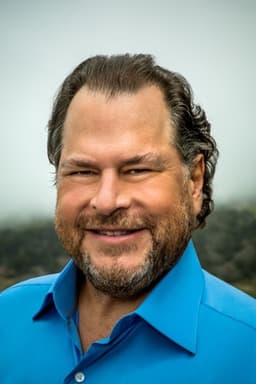
Marc Benioff (Salesforce)
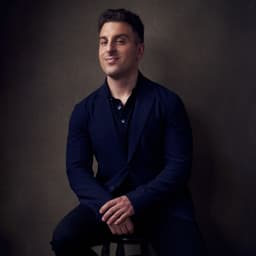
Brian Chesky (Airbnb)
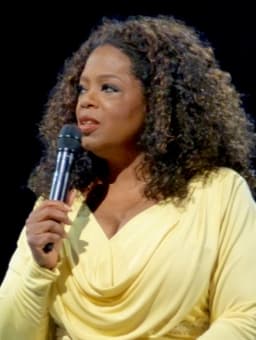
Oprah Winfrey (Harpo Productions)
Tony Hsieh (Zappos)
Co-Founder Compatibility
Pairs best with a Builder or Operator who can architect the supply chain, store-format, and unit economics behind the missionary brand. The Connector supplies the cultural energy; the Operator keeps the machine running profitably.
Famous Quotes
“Success is best when it’s shared.”
Howard Schultz
“In times of adversity and change, we really discover who we are and what we’re made of.”
“When you are surrounded by people who share a passionate commitment around a common purpose, anything is possible.”